
You've chosen your colours, booked your painting project, and you're looking forward to seeing your home transformed. But before the painters arrive, there are a few things you can do to help the project get off to a smooth start. Our interior painting services cover all the preparation — but knowing what to expect on your end makes everything easier.
The good news is that homeowners generally shouldn't have to prepare the walls themselves. Surface preparation is an important part of professional interior painting and should be discussed with your painting contractor before the project begins. Here's how to get your home ready.
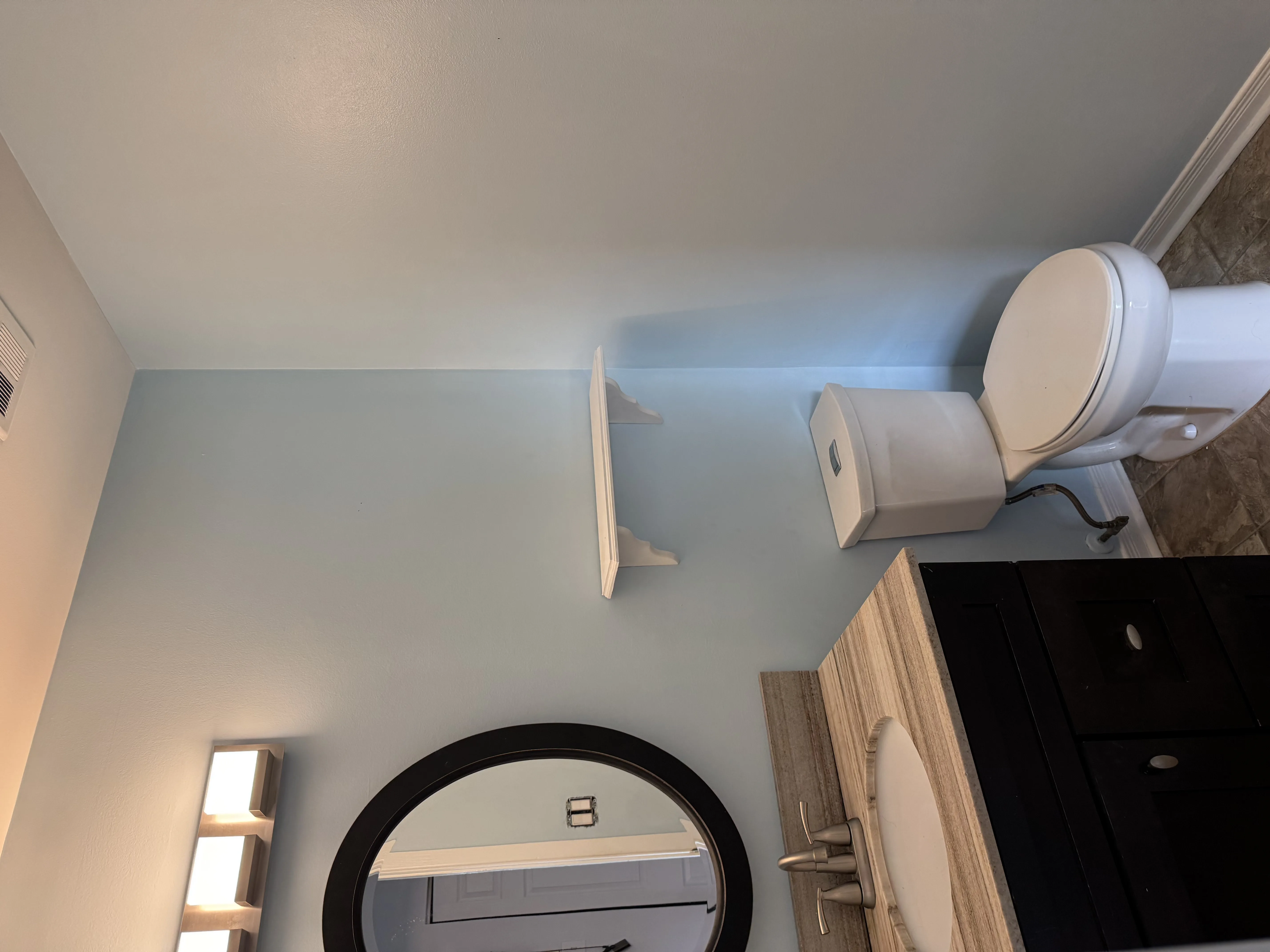
1. Confirm What Is Being Painted
Before the project starts, make sure you and your painter agree on the exact scope of work. Are you painting only the walls, or does the project also include:
- Ceilings
- Baseboards
- Window trim and door frames
- Interior doors
- Closets
- Stairways and railings
- Accent walls
This may seem obvious, but confirming these details ahead of time prevents misunderstandings once work begins. If different rooms will have different colours, it's also helpful to have a clear record of which colour and finish belongs in each area.
2. Move Small Items and Decorations
One of the easiest ways to prepare is to remove smaller belongings from the rooms being painted — lamps, plants, picture frames, countertop items, and other objects that could get in the way. You don't need to empty your entire home. The goal is to give your painters enough space to work safely and efficiently while reducing the chance of something being accidentally damaged.
3. Remove Items From the Walls
Take down paintings, photographs, mirrors, clocks, and other wall decorations before painting begins. If you're changing the room's layout, this is a great opportunity to have unwanted nail and screw holes repaired before painting. A freshly painted wall without old unused holes gives you a much cleaner finished appearance.
4. Discuss Furniture With Your Painter
Large furniture doesn't always have to leave the room. Depending on the size of the room and scope of the project, furniture may be moved toward the centre so painters can access the walls. Before moving anything heavy yourself, ask your painting contractor what they prefer — some projects require rooms to be mostly empty, while others can be completed with larger furniture remaining inside. Small, fragile, and valuable items, however, are best moved somewhere safe before work begins.
5. Protect Valuables and Electronics
Professional painters take precautions to protect surrounding areas, but homeowners should still put away valuable or delicate belongings before the crew arrives. Consider removing:
- Computers and smaller electronics
- Collectibles and jewellery
- Fragile decorations
- Important documents and expensive artwork
- Sentimental items
It's much easier to store these items beforehand than to worry about them while people are working throughout the house.
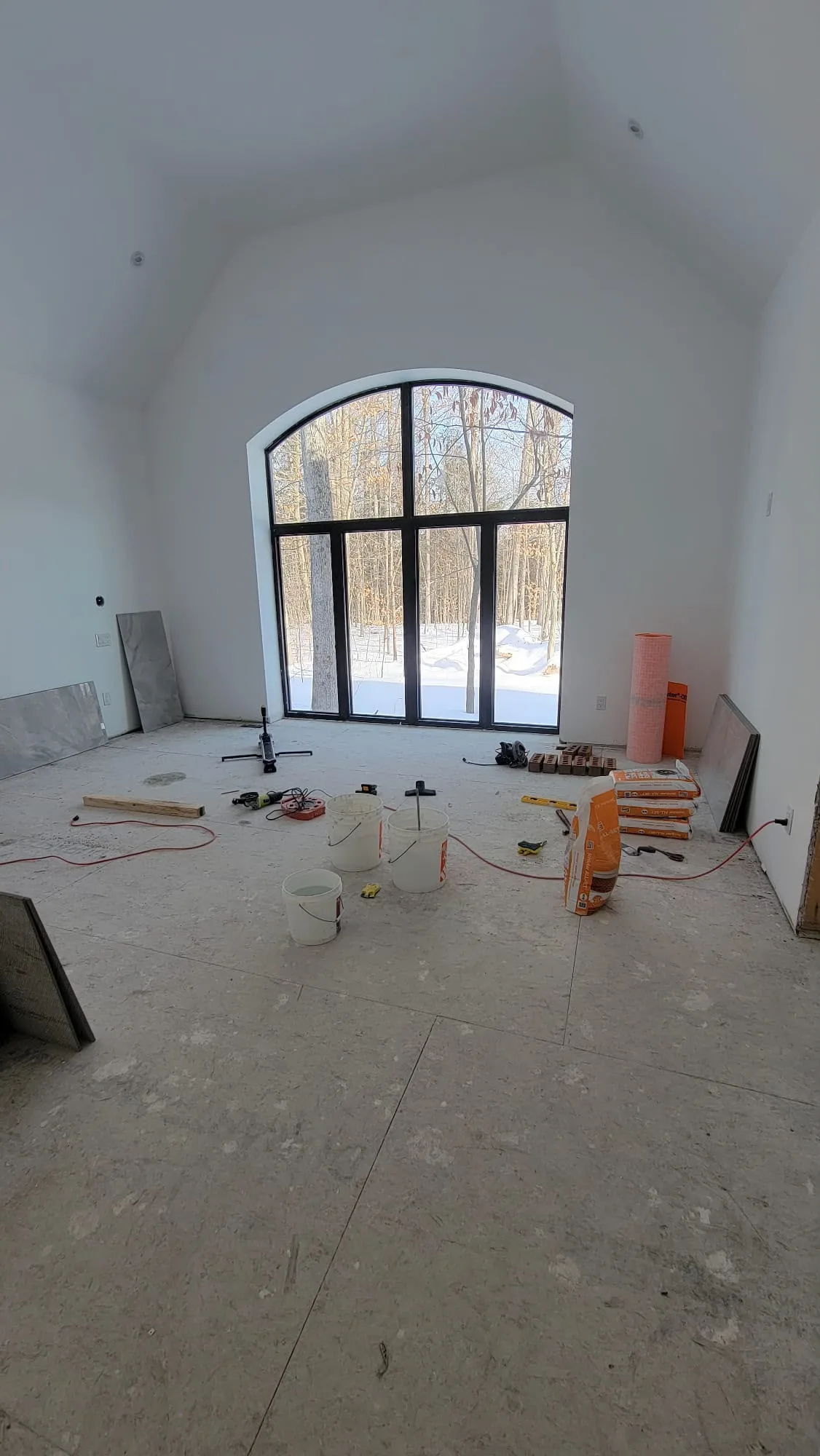
6. Clear Access to the Rooms Being Painted
Painters may need to bring in ladders, tools, paint, and other equipment. Try to create a clear route from the entrance of your home to the areas being painted. Shoes, boxes, children's toys, and other objects in hallways or near stairs should be moved out of the way — this is particularly important when painters are working in stairwells, hallways, or other tight spaces.
7. Don't Start Repairing Every Wall Yourself
Homeowners sometimes assume they should fill every hole and sand every imperfection before professional painters arrive. Unless you've specifically agreed to handle preparation yourself, ask your painter first.
Proper surface preparation can involve more than simply applying filler to a hole. Depending on the condition of the walls, it may include filling, sanding, caulking, spot priming, and addressing damaged areas before finish coats are applied. The quality of the preparation can have a major impact on the appearance of the finished result. When getting an interior painting estimate in Ottawa, ask exactly what wall preparation is included.
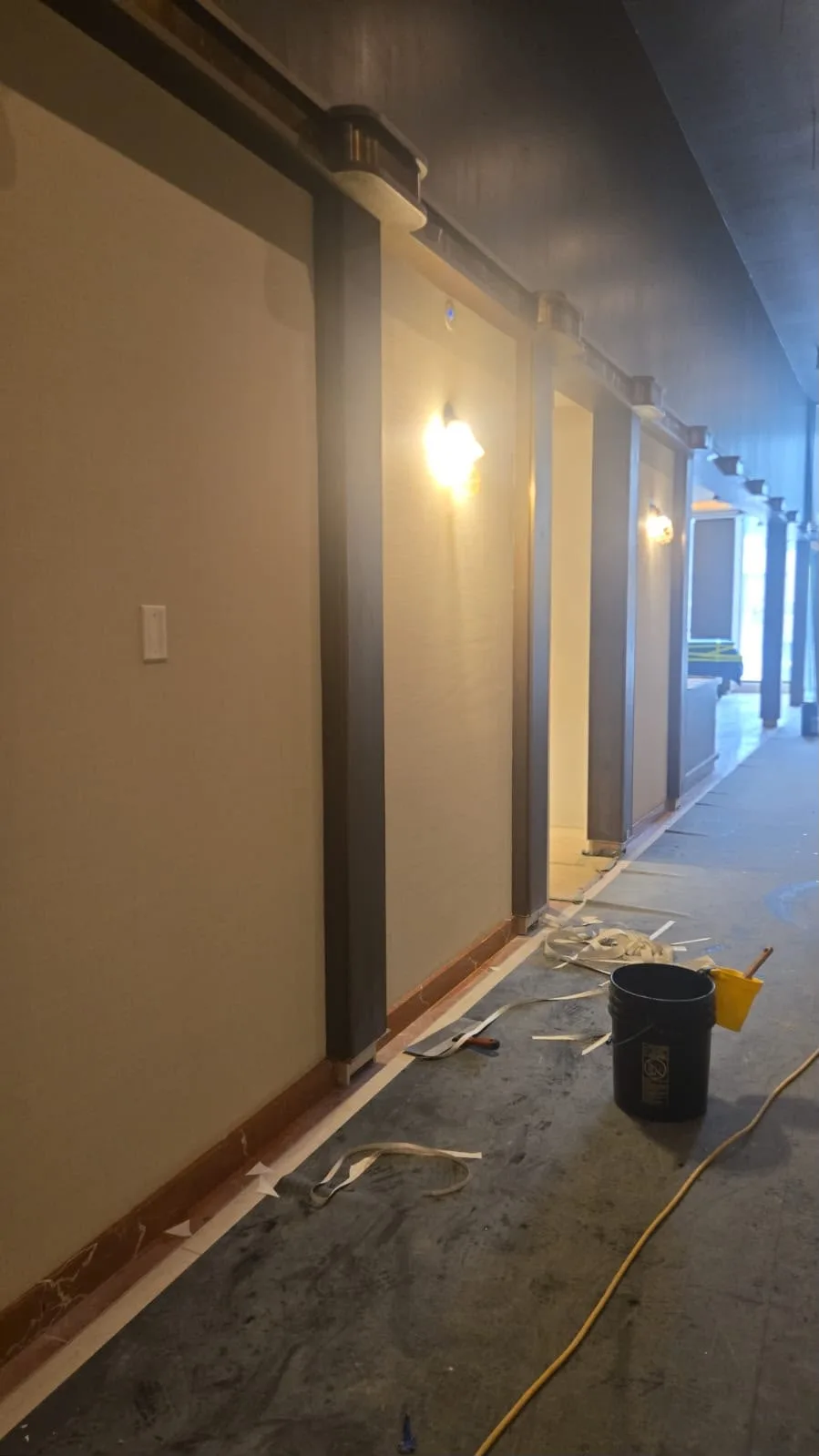
8. Decide on Your Paint Colours Before the Start Date
Choosing colours can sometimes take longer than homeowners expect. Try to finalize your selections before the painters arrive so the project isn't delayed while decisions are being made.
When choosing colours, consider how they look at different times of day. Ottawa homes can experience dramatically different natural light depending on the direction of the windows, the season, and surrounding buildings or trees. A colour that looks perfect under bright showroom lighting can look quite different on your wall. Paint samples applied directly to the wall can help you evaluate colours in the actual room before committing.
9. Don't Forget About Paint Finish
Colour isn't your only decision. You'll also need to consider the appropriate paint finish for each surface. Bedrooms, hallways, kitchens, bathrooms, ceilings, and trim don't necessarily need the same type of finish. Factors such as moisture, cleaning requirements, durability, and the condition of the surface can all influence the best choice. If you're uncertain, ask your painter to recommend a product and finish based on how the room is actually used.
10. Make Arrangements for Pets
Painting can be disruptive for pets. There may be unfamiliar people entering and leaving the home, open doors, equipment, drop cloths, and freshly painted surfaces. If possible, keep pets in a secure part of the home away from the work area, or arrange for them to stay somewhere else while painting is underway. This protects both your pets and the freshly painted surfaces.
11. Plan Around Children and Busy Areas
If your household has children, talk to your painter about which rooms will be worked on and when. This can help you plan around bedrooms, kitchens, bathrooms, and other spaces your family needs throughout the day — and prevent little hands from discovering a freshly painted wall before it has had enough time to dry. For larger projects, ask whether the work can be completed in stages so parts of your home remain available.
12. Make Sure Your Painter Can Access the Home
If you won't be home when the crew arrives, arrange access beforehand. Confirm:
- Who will let the painters in and what time they can arrive
- Whether an alarm system needs to be addressed
- Where they can park and which entrance to use
- How you'll communicate during the project
A few minutes of planning can prevent delays on the first morning.
13. Ask How Floors and Furniture Will Be Protected
You shouldn't have to cover the entire house yourself before professional painters arrive. Ask the painting company how they protect flooring, furniture, and other surfaces. Depending on the project, painters may use drop cloths, protective coverings, masking materials, and other methods to protect areas that aren't being painted. Protection should be part of the conversation before work begins.
14. Ask About Ventilation and Drying Time
Modern interior paint products vary, so ask what products will be used and what to expect during and after application. Your painter can tell you when rooms can be used normally again and when freshly painted surfaces are ready to be touched, cleaned, or have furniture returned. Remember that dry and fully cured aren't necessarily the same thing — follow the product-specific recommendations your painter provides.
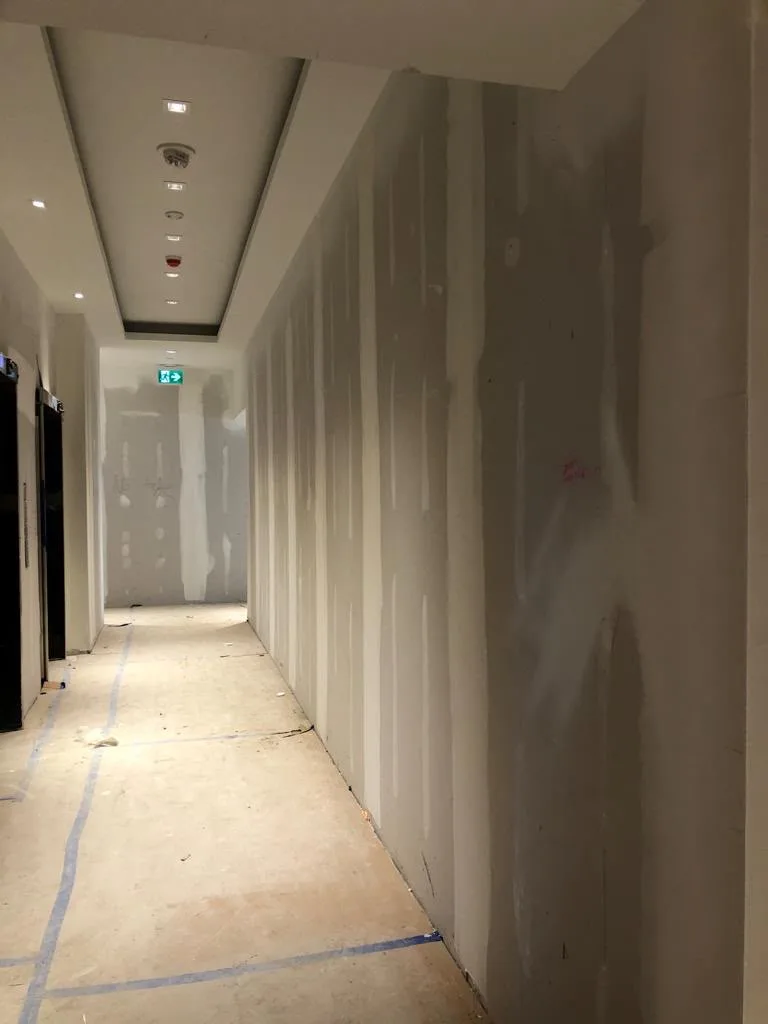
What Should Your Professional Painter Handle?
Preparing for professional painting doesn't mean doing the painter's job for them. The exact responsibilities should be established in your estimate, but professional interior painting commonly involves preparation related to the surfaces being painted — repairs, sanding, caulking, priming where required, protecting surrounding surfaces, and completing the agreed paint application.
That's one reason it's important to compare the scope of work rather than choosing an Ottawa painter based solely on the lowest price.

Preparing for Interior Painting: Quick Checklist
Before your painters arrive:
- Confirm the rooms and surfaces being painted
- Finalize paint colours and finishes
- Remove pictures and wall decorations
- Put away small and fragile belongings
- Discuss large furniture with your painter
- Clear hallways and access routes
- Secure pets away from work areas
- Confirm arrival time and home access
- Ask what surface preparation is included
- Confirm how floors and furniture will be protected
- Discuss the expected project timeline
- Know who to contact if questions come up during the project
Taking care of these details beforehand allows everyone to focus on the most important part: getting a great finished result.
Frequently Asked Questions
Do I need to move all my furniture before painters arrive?
Not necessarily. Large furniture is often moved toward the centre of the room so painters can access the walls. Before moving anything heavy yourself, ask your painting contractor what they prefer — the answer depends on the size of the room and the scope of the project. Small, fragile, and valuable items should always be moved somewhere safe before work begins.
Should I fill holes and repair my walls before painters arrive?
Not without asking first. Unless you've specifically agreed to handle preparation yourself, let your painter assess the walls. Proper surface preparation can involve more than applying filler — it may include filling, sanding, caulking, spot priming, and addressing damaged areas before finish coats are applied. The quality of the preparation has a major impact on the final result.
How long does interior painting take in Ottawa?
It depends on the number and size of rooms, the amount of preparation required, ceiling height, trim and doors, number of colours and coats, and how easily painters can access the work areas. A single room in good condition is very different from repainting an entire occupied home that needs significant preparation. Your painting contractor should be able to give you an expected timeline after seeing the project.
Can I stay home while interior painting is being done?
Often, yes. Whether it's practical depends on the size and location of the project. For a few rooms, it may be easy to continue using the rest of the home. For larger projects, you may want to coordinate the order in which rooms are completed. If you work from home, mention this before the project begins — your painter may be able to organize the schedule around the rooms you need most.
How do I choose the right paint colour for each room?
Consider how colours look at different times of day. Ottawa homes can experience dramatically different natural light depending on the direction of the windows, the season, and surrounding buildings or trees. A colour that looks perfect under bright showroom lighting can look quite different on your wall. Paint samples can help you evaluate colours in the actual room before committing.
What paint finish should I use in each room?
Bedrooms, hallways, kitchens, bathrooms, ceilings, and trim don't necessarily need the same finish. Factors like moisture, cleaning requirements, durability, and the condition of the surface can all influence the best choice. If you're uncertain, ask your painter to recommend a product and finish based on how the room is actually used.
Looking for Interior Painters in Ottawa?
A professional interior paint job can completely change the way your home looks and feels. We'll help you understand the preparation your project requires, discuss your colour and finish options, and provide a clear estimate based on your home's actual needs.